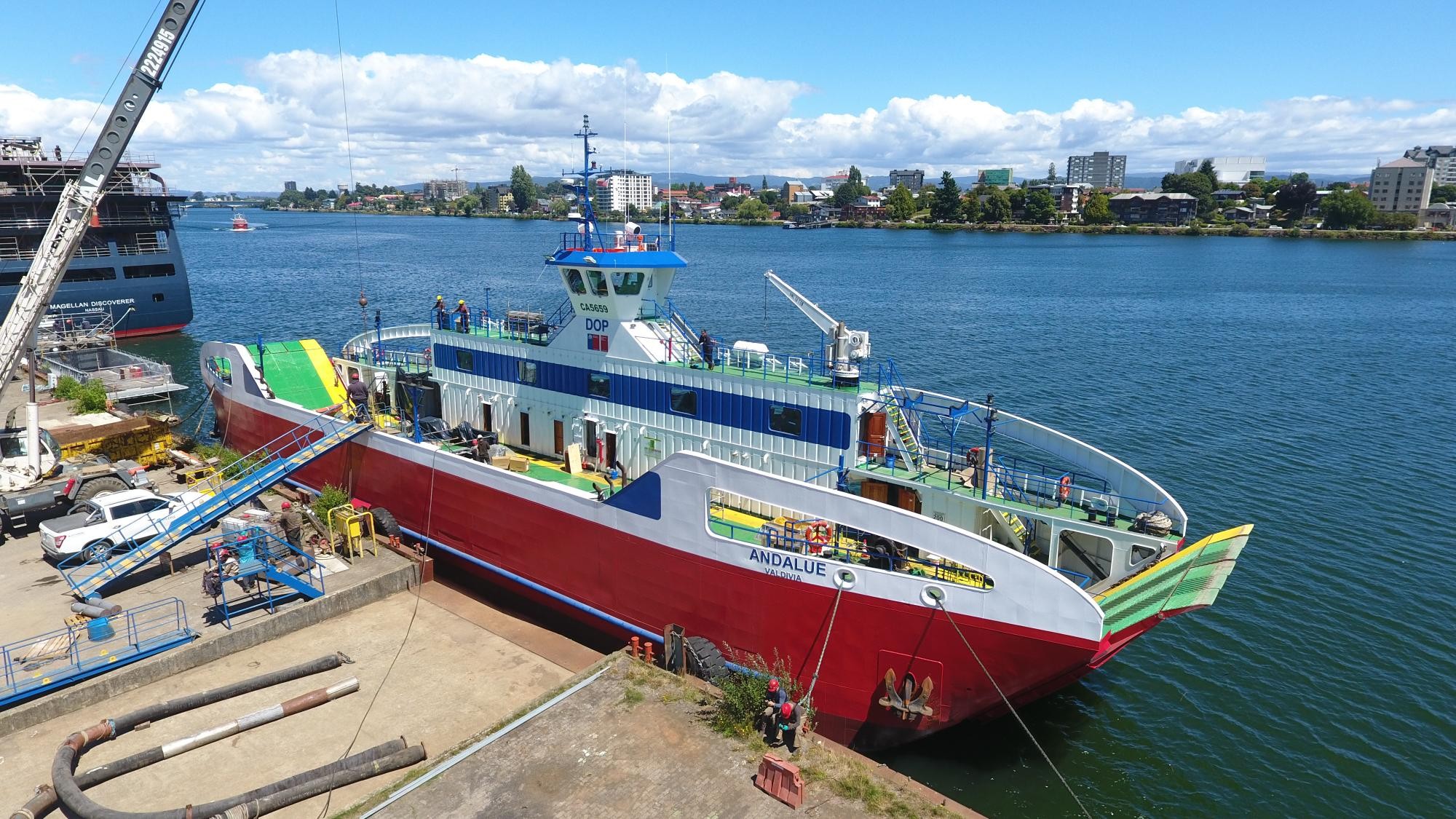

- The Chilean shipyard is advancing the construction of a new RAstar 3200-W escort tug, now 50% complete. Developed under a speculative build model as part of its strategy to anticipate future challenges in ports and energy terminals worldwide, the vessel is scheduled for delivery in February 2027.
Chile, March 2026.- Sustained growth in maritime trade, the expansion of energy terminals and increasingly stringent port safety requirements are driving rising demand for specialised tugboats in major ports around the world. This challenging scenario is further intensified by the presence of ever-larger vessels, requiring tugs with greater manoeuvrability and power for critical berthing, escort and harbour assistance operations.
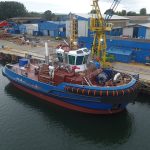
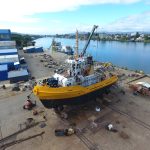
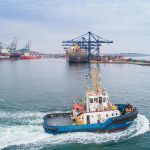
In this context, Chilean shipbuilder ASENAV has announced progress on a new escort tug under a speculative build model, now approximately 50% complete at its facilities in Valdivia, Chile. The vessel, scheduled for delivery in February 2027, will replicate the design of the RAstar 3200-W, developed by Canadian naval architecture firm Robert Allan Ltd., a global reference in high-performance tug design.
The initiative is part of the shipyard’s strategy to anticipate international market demand by maintaining vessels under construction without a prior contract, enabling it to offer ready-to-deliver solutions to port operators requiring additional operational capacity within shorter timeframes.
“Speculative construction is part of our strategy to respond more quickly to global market opportunities. Having a vessel already under advanced construction allows us to offer solutions to port operators in the Americas, Europe or Asia that need to incorporate additional capacity within shorter timelines,” explains Germán Schacht, ASENAV’s Business Development Manager.
One of the key attributes required by international ports is tug power and bollard pull to support demanding operations at LNG terminals, as well as berthing, unberthing and navigation in waters with waves of up to three metres. In ASENAV’s case, the RAstar 3200-W currently under construction will deliver 80 tonnes of bollard pull (80t BP), combining high manoeuvrability with advanced escort and harbour assistance capabilities in confined environments.
The vessel will be powered by two CAT 3516E engines, complemented by Schottel SRP 490 ZFP thrusters, enabling high levels of manoeuvrability and control during escort operations. Its configuration also includes CAT C7.1 generator sets, along with a towing and handling system supplied by Ibercisa, featuring a hydraulic escort towing winch, electric anchor winches and capstan, as well as an-85-tonne SWL stern roller. From a technological standpoint, the vessel will be equipped with a complete navigation and communications package supplied by Furuno, compliant with GMDSS A2 standards, reinforcing its capability to operate safely and efficiently in demanding port environments.
In addition, the design incorporates space for systems that will allow compliance with international environmental regulations such as IMO Tier III, as well as FiFi-1 firefighting equipment, an increasingly required capability in hydrocarbon and gas terminals.
Chilean expertise in a growing global market
With more than 50 years of experience, ASENAV is recognised as the most important private shipyard on the Pacific and Caribbean coasts and a leading reference in Chile’s naval industry. Its experience in high-performance tug construction for both harbour and offshore operations is reflected in projects operating in some of the world’s most demanding and strategically relevant markets.
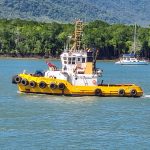
In Oceania, for example, a tug with more than 20 years of service is currently in operation. The vessel known as “Engage Ghost”, originally built by ASENAV in 2004 under the name “Pellaifa”, was later acquired by Engage Marine and now operates in northern Australia, supporting port operations in Mourilyan, Queensland.
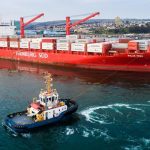
Another example of the speculative build approach is the Escort RAstar 3200-W delivered in 2024 to Ultratug Chile, currently operating in Punta Arenas, at the southern tip of the country.
This tug was designed with Escort Tug notation, allowing it to perform lateral manoeuvres relative to assisted vessels and generate hydrodynamic forces that improve control and stability during critical operations. As a result, it effectively supports operations at liquid and gas terminals and escorts vessels navigating the Strait of Magellan, one of the most challenging maritime routes in the southern hemisphere.
From the client side, the project has been positively evaluated:
“This is the first RAstar 3200W escort tug we have acquired, and it forms part of a fleet of 34 tugboats built by ASENAV for our operations. From the outset, we knew that its design would deliver strong performance in manoeuvrability, stability and power, and it has fully met our expectations,” says Jorge Taulis, CEO of Ultratug Chile.
“Our shipyard has developed versatile expertise in the naval industry. We combine precision engineering, advanced technologies and a highly skilled workforce, enabling us to build up to four tugboats per year. To date, we have delivered more than 30 tugboats operating in different markets worldwide, positioning us to respond to port challenges with solutions that combine operational efficiency and strict environmental compliance,” adds Schacht.
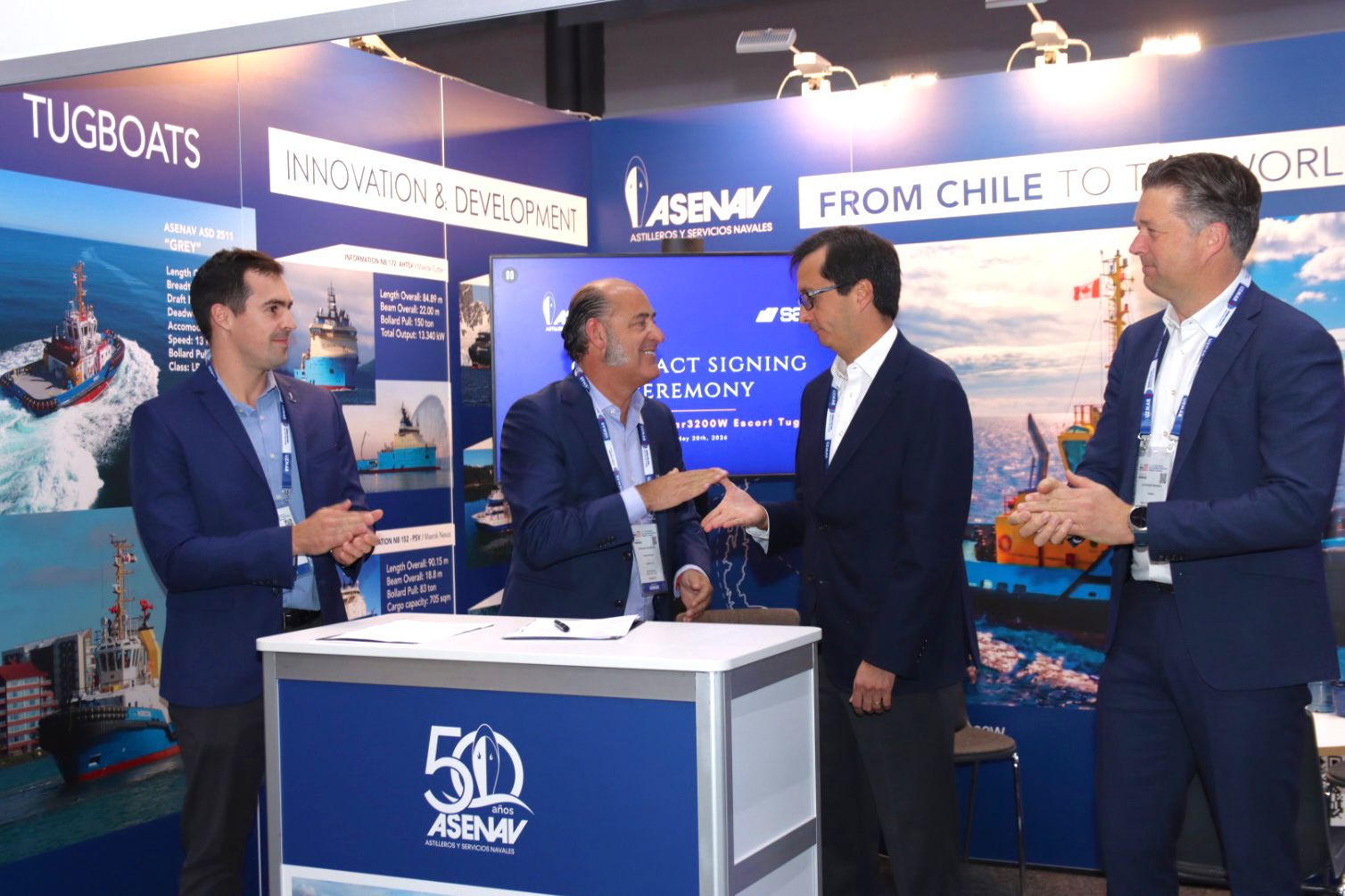
The growing demand for tugboats in the region has also attracted major international operators to Chilean naval engineering. One example is SAAM Towage, a global leader in harbour and offshore towage services, which has acquired a new-generation RAstar 3200-W tug. The vessel, built to IMO Tier III environmental standards and destined to operate in Canada, began construction earlier this year.
This extensive project portfolio is further complemented by the launch of another speculative tug, which ASENAV expects to deliver during the first quarter of 2026.